What I Do
- Back up before taking action
- Read the logs and find the root cause
- Fix only what is needed, not everything
- Verify the core function after recovery
- Apply basic hardening after the fix
WordPress Repair Service
If your WordPress or WooCommerce site is broken, down, redirecting to another domain, or the checkout is very slow, I handle everything from diagnosis, backup, recovery, malware cleanup, to post-fix hardening .
You speak directly with the person who opens the logs, traces the source of the problem, and performs the repair. I run this service independently in my personal capacity, separate from the company I currently work for.
I Handle
Problem
When WordPress breaks, the damage is not only technical. Sales, leads, trust from potential customers, and your operating rhythm are affected too.
Symptoms
Impact
Problems like this are rarely safe to postpone. The longer they sit, the more likely the damage spreads to the database, file system, cache, interdependent plugins, and exposed credentials.
Amplify
The expensive part is usually the panic after the error appears. A wrong move in the early phase can turn a recoverable issue into data loss, a messier access problem, or malware that is still present but merely moved elsewhere.
Steps that usually make things worse
That is why the workflow must be correct: backup, diagnosis, action, verification . If you are panicking now, do not start with guesses. Start with data.
Story
I am Dicky Ibrohim. I work directly as an independent practitioner, not as an account manager, reseller, or layered agency. If you message me, you are speaking with the person who will open the hosting panel, read the logs, inspect the file system, trace the source of an infection or bottleneck, and then fix it.
I built trust for this page on things that are public and verifiable: a clear professional identity, real WordPress/WooCommerce scope, and a disciplined workflow instead of trial and error.
What I Do
What I Do Not Do
Public Footprint
This service is run in my personal capacity. The public references I highlight are my own professional identity, not the brand of the company I work for.
WordPress / WooCommerce Scope I Have Handled
Transformation
The three examples below matter because they show my experience handling WordPress problems when the technical issue truly affects the business: recovery, malware cleanup, and data migration that cannot be solved with a generic plugin.
I intentionally present this section as handling experience, not a claim of client ownership. Sensitive details have been generalized or sanitized for public viewing.
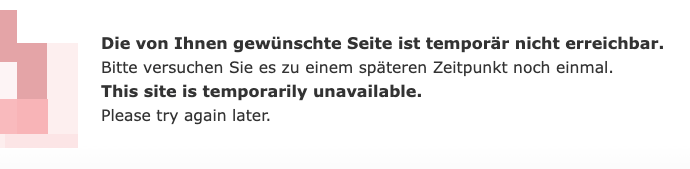
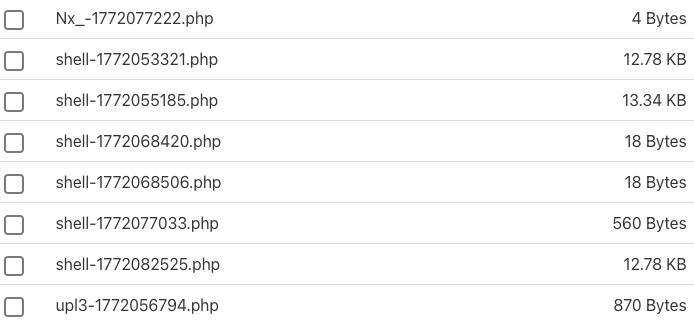
This is the kind of case I have handled when a WordPress e-commerce site was blocked by hosting after an active malicious file was found in the uploads folder. The focus was not a full reinstall, but isolating the source of the infection without damaging healthy assets.
Before
After
Experiences like this show that what matters most is not saying “I can help quickly,” but following the right workflow. A wrong move in the first phase can turn recoverable damage into data loss or recurring infection.
This is the kind of case that comes up when one hosting package holds multiple domains and an infection in one spot can spread to the others. In situations like this, an overly narrow diagnosis almost always lets the problem come back.
Before
After
Experiences like this show something often overlooked: on shared hosting, one infection can become an entry point for multiple websites at once. If the audit is too narrow, malware can reappear even when one domain looks “clean.”
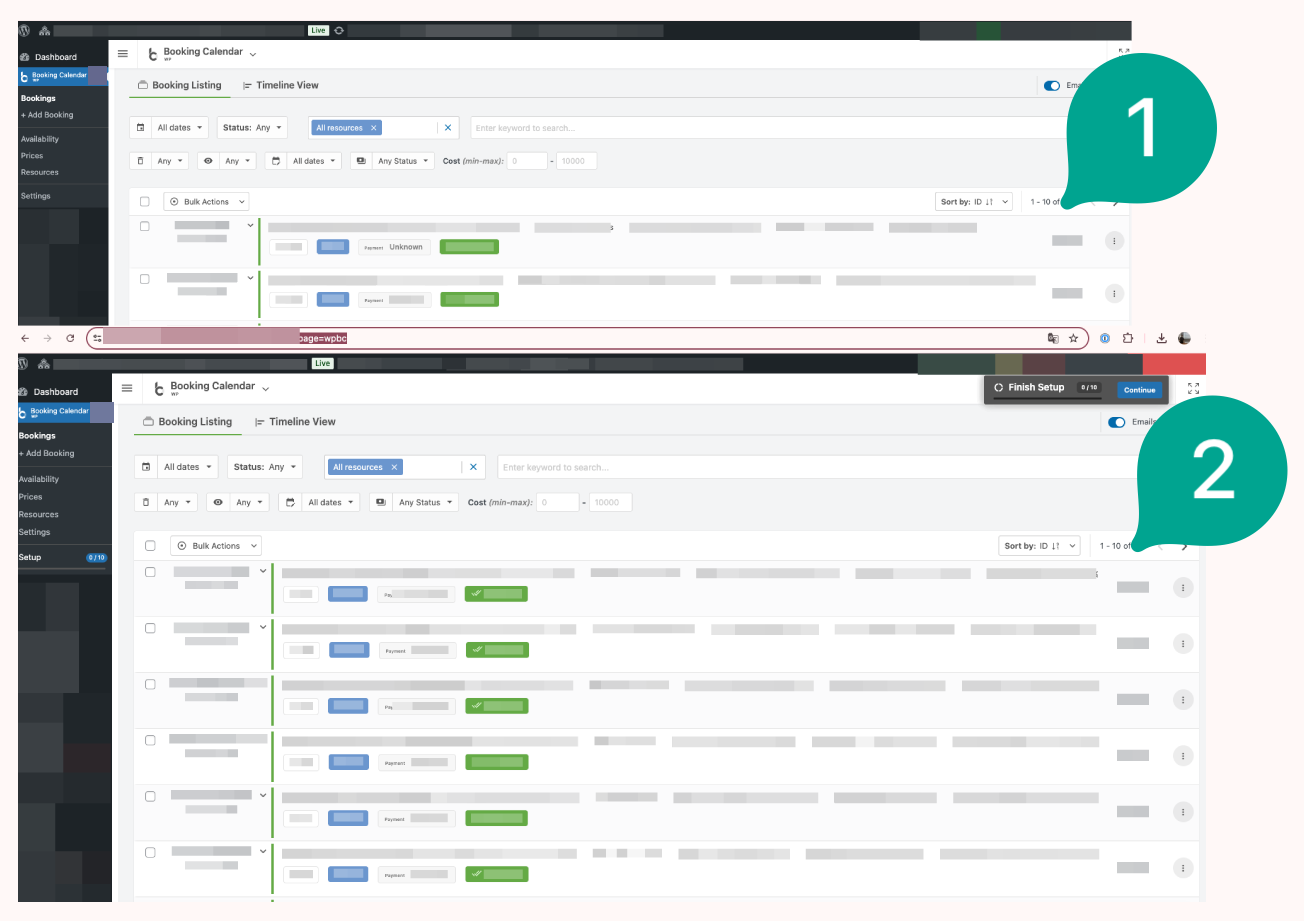
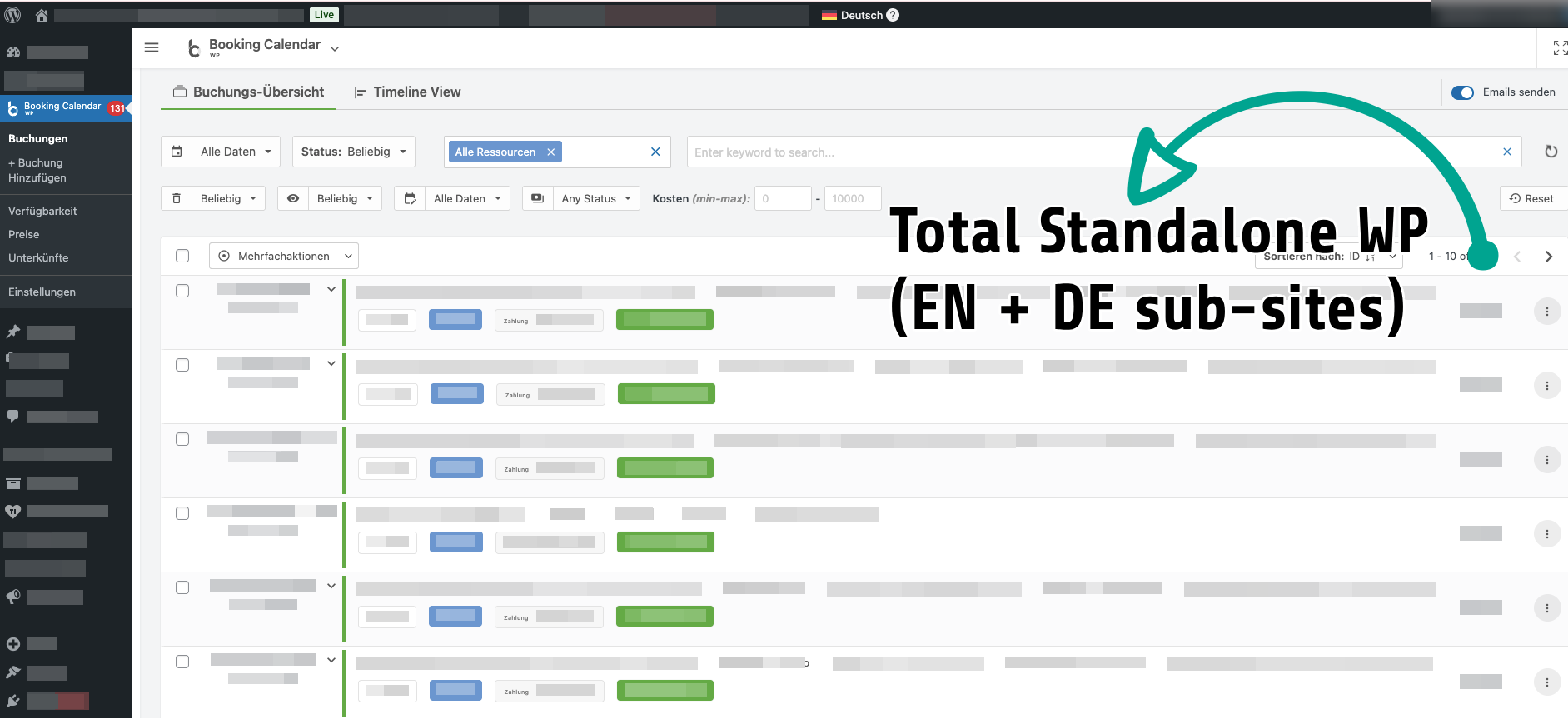
This is a case I handled when two separate WordPress websites needed to be merged into one multilingual WPML installation, while booking data was spread across two different databases and no public tool could move it safely.
Before
After
This experience shows that I do not only handle WordPress at the level of plugin conflicts or cache. When the business problem requires it, I can work at the database layer, map relationships, and verify the merge result before go-live.
Offer
I handle the three most common WordPress and WooCommerce needs: emergency recovery, malware cleanup, and performance audits before optimization is implemented.
For WordPress crashes, 500/502/503 errors, white screens, locked admin, or fatal errors after a plugin or theme update.
For a standard single-site case. If the diagnosis shows malware, multi-site infection, or a broader server issue, I explain the scope before moving forward.
WhatsApp: My Site CrashedFor redirects to unfamiliar domains, hacked warnings, suspicious files in uploads, or malware notifications from hosting.
Final pricing depends on the depth of the infection. Shared-hosting multi-site cases, cross-plugin persistence, or blacklist/review scope can increase the work required.
WhatsApp: My Site Was HackedFor slow WooCommerce checkout, sluggish admin screens, poor Core Web Vitals, or bottlenecks that are not yet clear.
I intentionally separate audit from execution. Speed optimization almost always fails when sold as a generic promise without first identifying the main bottleneck.
WhatsApp: Audit My SiteResponse
Example Message
Hi, my website https://yourdomain.com has been showing a 500 error since this morning.
The last change was a payment plugin update.
I have cPanel and WordPress admin access.
Can you check it?
Not familiar with technical terms?
That is not a problem. You can still start even if you do not know SSH, phpMyAdmin, root, or FTP. Many cases can begin with just the website URL, visible symptoms, hosting name, and whatever access you already have.
No. This page offers my independent personal service. Engagements are handled directly with me in a personal capacity and are separate from the company I currently work for.
Emergency recovery for standard cases starts at IDR 1,500,000. Malware cleanup starts at IDR 2,750,000. WordPress and WooCommerce performance audits cost IDR 1,250,000, and optimization implementation starts at IDR 3,500,000 after the main bottleneck is clear.
Often yes, if the first steps are right. The safe sequence is backup, read the logs, find the source of the error, and then fix only what is necessary. Many severe incidents happen because of panic actions, not the original error.
Not always. Many cases are safer to handle with an audit, isolation of the malicious file or payload, targeted cleanup, and then hardening. Reinstalling from scratch without a plan often removes custom code, configuration, or important data along with the malware.
Yes. Many WordPress diagnoses can start from cPanel, Plesk, DirectAdmin, File Manager, and phpMyAdmin. SSH helps, but it is not a strict requirement for every case.
The most common causes are usually a mix of heavy queries, incorrect caching, plugins that add load at checkout, bloated autoload data, and oversized front-end assets. The right solution starts with a bottleneck audit, not just another cache plugin.
If your website is crashing, hacked, or WooCommerce is too slow to ignore, send the details. I will check what is happening first, then we will decide on the most sensible scope.